


 English

Flexibele koperen rail
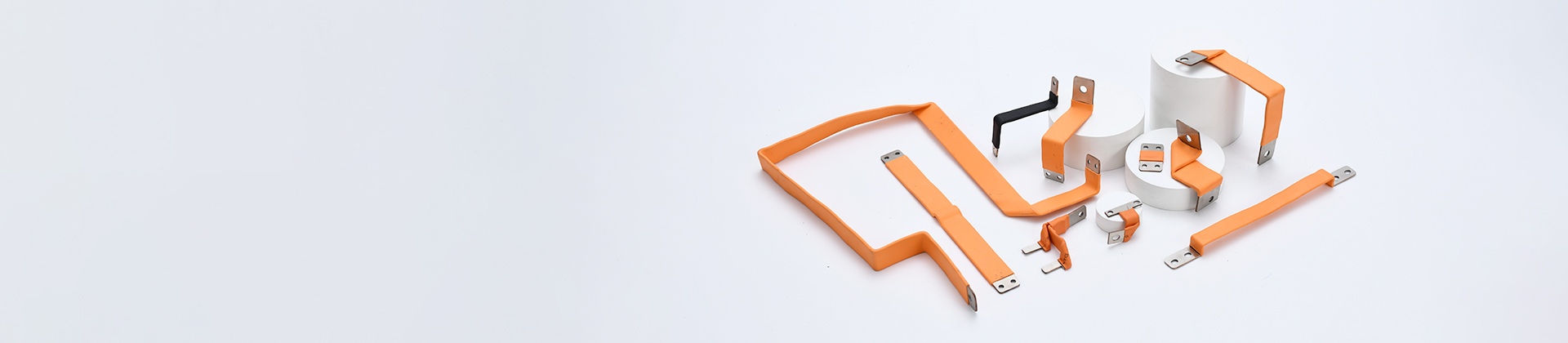
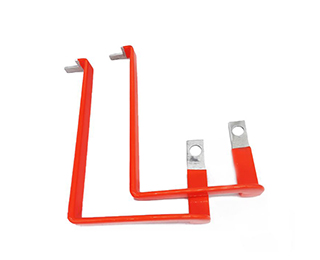
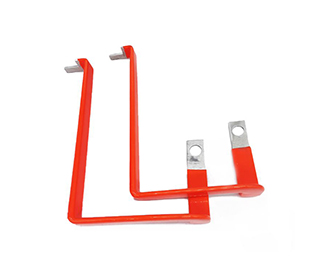
Een geïsoleerde flexibele stroomrail is een gespecialiseerd elektrisch component dat is ontworpen voor de veilige en efficiënte geleiding van elektriciteit in complexe systemen met beperkte ruimte. Deze stroomrails zijn gemaakt van materialen met een hoge geleidbaarheid, zoals koper of aluminium, en zijn voorzien van isolerende lagen om onbedoeld contact te voorkomen, het risico op kortsluiting te verminderen en een betrouwbare werking te garanderen. Door hun flexibele ontwerp zijn geïsoleerde flexibele koperen stroomrails ideaal voor toepassingen waar stijfheid onpraktisch is of waar efficiënt ruimtegebruik cruciaal is.
1. superior electrical conductivity
the use of high-quality copper in insulated flexible copper bars ensures excellent electrical performance with minimal energy loss. these busbars are capable of handling high current loads, making them suitable for industrial, renewable energy, and automotive applications.
2. flexibility and adaptability
one of the main advantages of an insulated flexible busbar is its ability to bend and conform to tight or irregular spaces. this flexibility allows efficient routing in power systems, electric vehicles (evs), renewable energy installations, and compact industrial equipment.
3. durable and heat-resistant insulation
the insulating layer, typically made of pvc, silicone rubber, or other high-performance polymers, provides protection against electrical shocks and short circuits. the insulation is heat-resistant, uv-resistant, and mechanically durable, ensuring long-term safety and reliability.
4. space-efficient design
thanks to their flexibility and compact structure, insulated flexible copper bars are perfect for environments with limited space, such as densely packed electrical enclosures, battery packs, and control panels. this design also reduces material usage and installation complexity.
5. safety and reliability
insulation protects both personnel and equipment by preventing accidental contact with live components. insulated flexible busbars provide secure connections in high-risk electrical environments, ensuring consistent performance over their service life.
6. customization options
these busbars can be tailored to specific requirements, including conductor size, insulation type, length, bending, and current rating. manufacturers can create insulated flexible copper bars to match unique installation constraints and electrical loads.
1. power distribution systems
used to interconnect electrical components in industrial plants, commercial buildings, and residential setups, providing reliable current flow and reducing wiring complexity.
2. renewable energy systems
in solar panels, wind turbines, and energy storage units, insulated flexible copper bars connect inverters, storage modules, and combiner boxes while adapting to tight or irregular spaces.
3. electric vehicles (evs)
critical for connecting battery packs, power electronics, and motors, ensuring efficient energy transfer while reducing weight and space usage.
4. industrial equipment
used in machinery, automation systems, and robotics for safe and adaptable power distribution. their flexibility supports frequent reconfiguration or system upgrades.
5. data centers and ups systems
provide high-density, reliable connections in server racks, uninterruptible power supplies, and cooling systems.
6. substations and high-voltage installations
enable safe, efficient, and flexible distribution of electricity in substations and switchgear.
Materiaalkeuze: koperen of aluminium strips worden gekozen vanwege hun hoge geleidbaarheid en mechanische duurzaamheid.
Geleidervorming: geleidende strips worden verwerkt tot platte, flexibele vormen voor eenvoudige installatie.
Isolatietoepassing: bekleed met pvc, siliconenrubber of andere isolerende polymeren voor de veiligheid.
Montage: geïsoleerde strips worden gestapeld, opgerold of geconfigureerd om te voldoen aan de mechanische en elektrische specificaties.
Testen en kwaliteitscontrole: geleidbaarheid, spanningsbestendigheid, flexibiliteit en omgevingsweerstand worden gecontroleerd.
Snijden en verpakken: de eindproducten worden op lengte gesneden, gecontroleerd en verpakt voor verzending.
hoge elektrische geleidbaarheid met minimaal energieverlies
Flexibel ontwerp voor krappe of onregelmatige ruimtes.
Duurzame isolatie met hitte- en UV-bestendigheid.
Compacte en ruimtebesparende lay-out voor complexe systemen
Volledig aanpasbaar qua stroomsterkte, vorm en isolatietype.
Voldoet aan IEC-, UL- en andere internationale veiligheidsnormen.
Onze geïsoleerde flexibele stroomrails en geïsoleerde flexibele koperen rails bieden een betrouwbare, veilige en aanpasbare oplossing voor moderne elektrische distributiebehoeften, variërend van industriële automatisering en datacenters tot systemen voor hernieuwbare energie en elektrische voertuigen.
q1: what is an insulated flexible busbar used for?
a: an insulated flexible busbar is used for safe and efficient power distribution in electrical systems, renewable energy installations, electric vehicles (evs), industrial automation, data centers, ups systems, and substations. it ensures reliable current flow while adapting to tight or complex spaces.
q2: what materials are used in insulated flexible copper bars?
a: insulated flexible copper bars are typically made from high-conductivity copper strips. aluminum can also be used in some applications. the copper provides excellent electrical conductivity and mechanical durability, making it suitable for high-current applications.
q3: how is the insulation applied to flexible busbars?
a: the conductive strips are coated with insulating materials such as pvc, silicone rubber, or cross-linked polyethylene. this layer protects against electrical shock, short circuits, and environmental hazards while maintaining flexibility.
q4: can insulated flexible busbars be customized?
a: yes, they can be customized for length, width, thickness, bending, insulation type, current rating, and shape to meet specific installation requirements. insulated flexible copper bars can also be configured in stacked or multi-layer designs for higher current capacity.
q5: what are the advantages of insulated flexible copper bars over rigid busbars?
a: flexible busbars offer:
aanpassingsvermogen aan complexe of krappe ruimtes
kortere installatietijd en minder complexe bedrading
Verbeterde trillingsbestendigheid, ideaal voor elektrische voertuigen en industriële toepassingen.
Veiligere verbindingen met isolerende lagen die onbedoeld contact voorkomen.
q6: what temperature and environmental conditions can these busbars handle?
a: insulated flexible busbars are designed to operate reliably in a wide temperature range (typically -40°c to +125°c) and are resistant to uv, moisture, and mechanical stress. specific insulation materials may extend performance for harsher environments.

Copyright © 2026 G AND N FORTUNE LIMITED Allee rechten voorbehouden.